

Driver Geometry
One coordinated relationship between driver, controls and display.
Driver-Centric Motion Engineering
Driver geometry, structure, motion, control and calibration are developed as one system—so simulated behaviour becomes purposeful physical response.
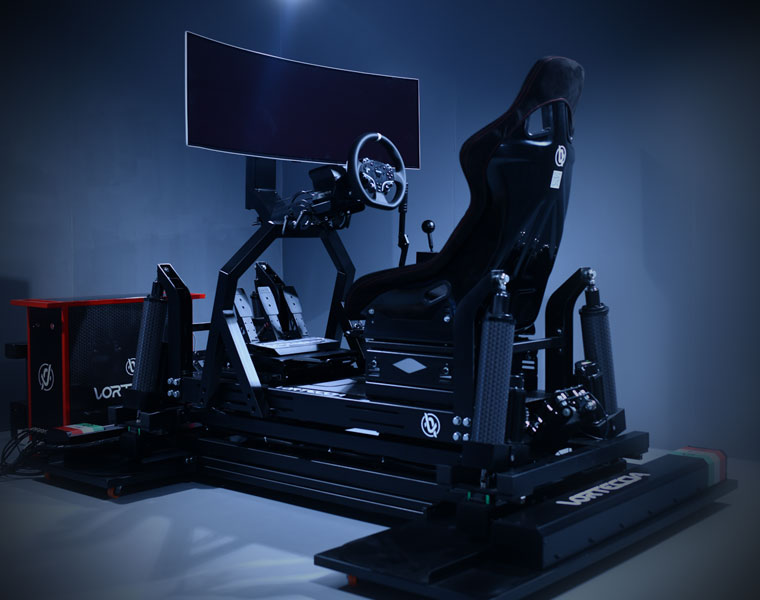
One coordinated relationship between driver, controls and display.
The structure protects the intended driver and equipment relationship.
Travel, response timing and calibration operate as one chain.
The approved configuration is carried through production and checked as a system.
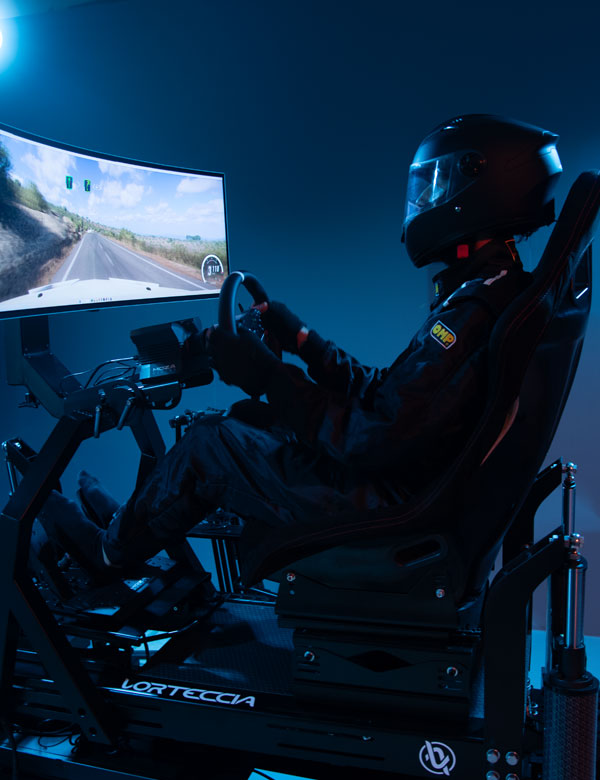
Driver Geometry
Seat, steering, pedals, controls and display are positioned as one coordinated geometry. Integrated adjustment allows the environment to accommodate different drivers, equipment and uses without treating each contact point in isolation.
Adjustment is part of the architecture—not an accessory added afterward.
Establishes the driver’s relationship to the controls, display and platform structure.
Reach, height and angle are resolved in relation to posture and control access.
Distance, angle and clearance are coordinated with seat and steering position.
Secondary controls and eye line remain part of the same driver reference.

Motion and Control
Travel, timing, rigidity and calibration operate as one system. Vehicle data is interpreted and shaped into controlled physical response.
Motion range creates capability. Control and calibration make that capability useful.
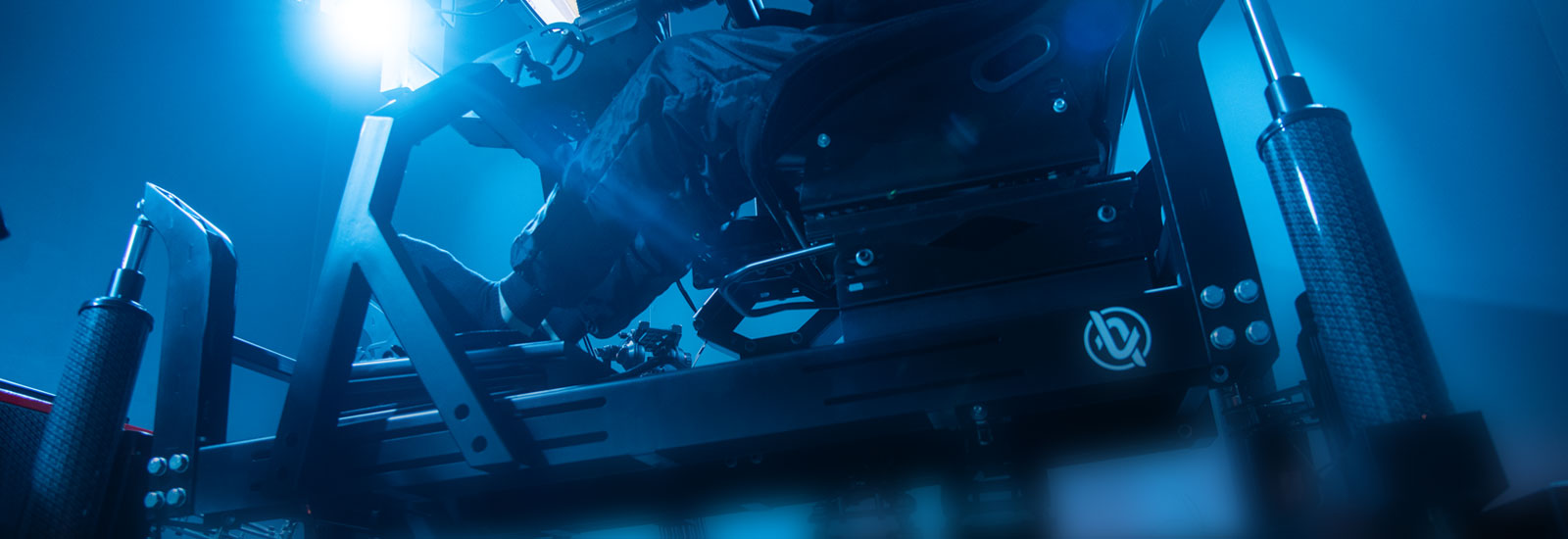
The virtual vehicle generates dynamic data.
Vehicle data enters the platform control system.
The signal is interpreted and shaped for the approved configuration.
The calibrated signal becomes controlled physical movement.
The driver receives physical information that supports interpretation.
Configuration and Build
Every platform is built to a defined configuration. Fabrication, assembly and integration preserve the design intent of the complete system.
The approved configuration defines what is built. Design intent defines what the build must preserve.

Verification and Validation
Every configured platform is checked as a complete system. Verification confirms the build. Validation demonstrates that the system performs its intended function.
Components matter. The final result depends on how they operate together.
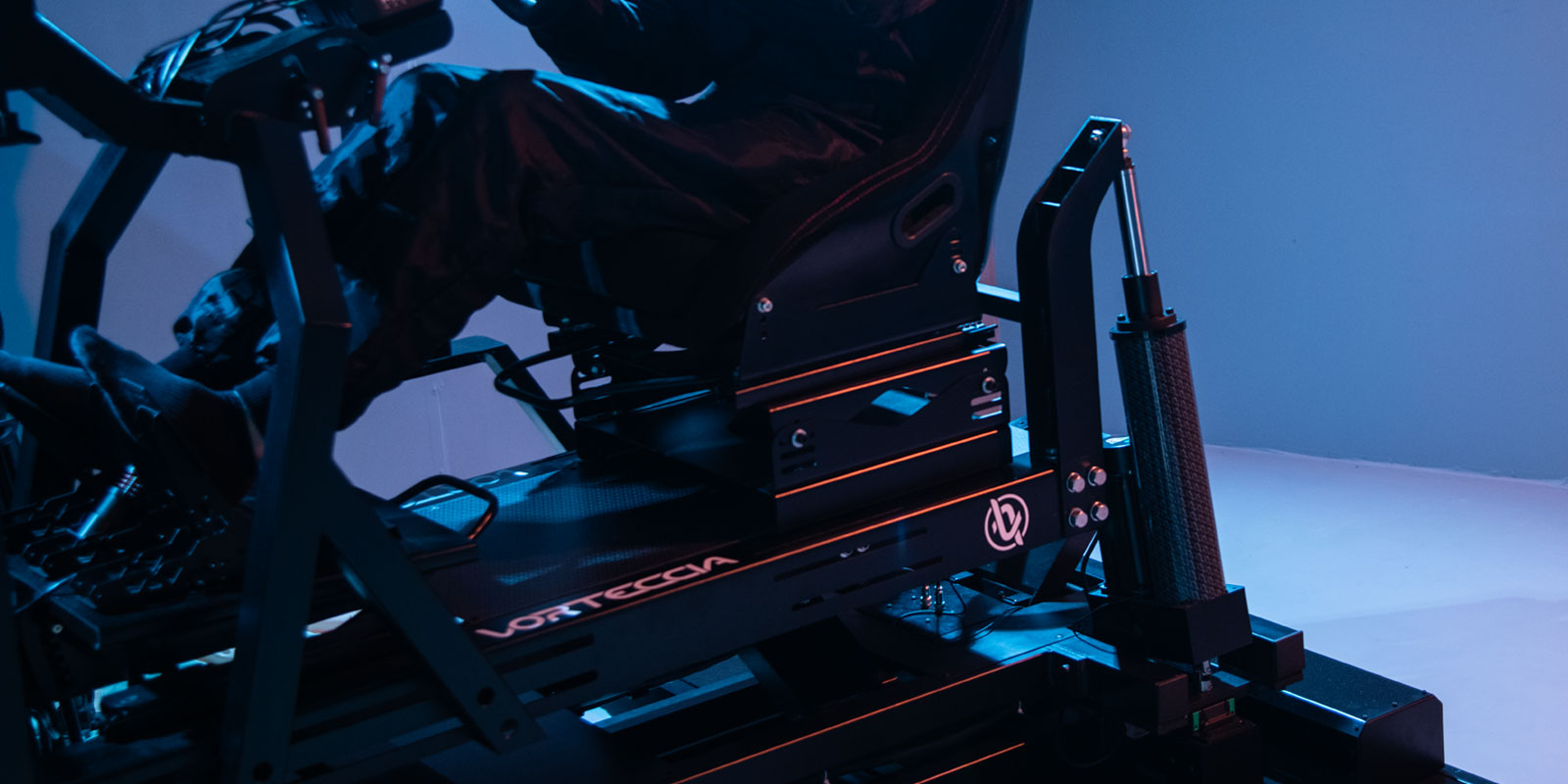
Individual work, assemblies or conditions are checked against applicable internal requirements.
Confirms the platform was built and integrated according to the approved configuration.
Confirms the completed system performs its intended function in the applicable context.
Formal confirmation against a defined external standard through an authorised process.
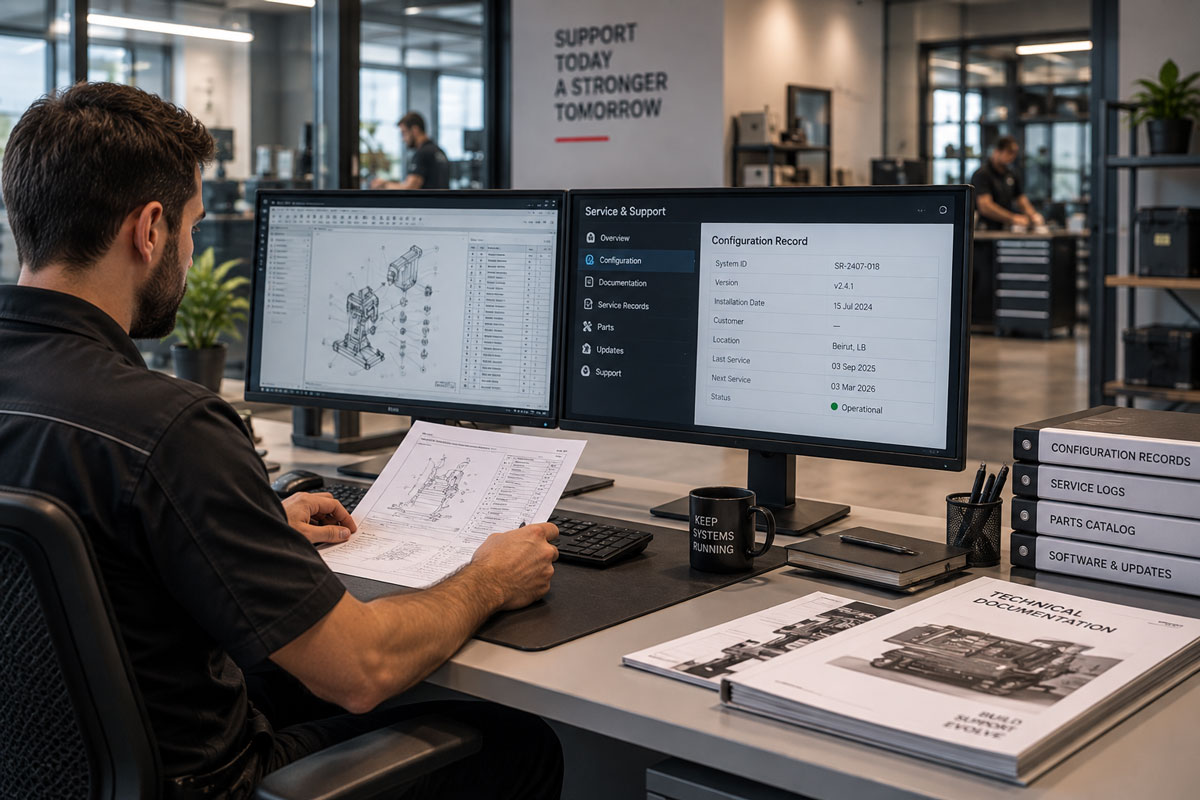
Operating Life
Service access, configuration records and defined interfaces support maintenance and controlled change through the platform’s operating life.
Future changes are assessed against the installed configuration—not assumed compatible by default.
Inspection, maintenance and replacement are considered within the structural and installation design.
The platform, equipment, software and calibration state remain associated with the installed system.
Changes are reviewed against the existing platform configuration and defined interfaces.
Documentation and support information remain connected to the installed configuration.
From Engineering to Configuration
Explore the GT platform family, review the response architectures, or begin a configuration discussion around the driver, equipment, space and intended use.
Contact Technical Support ↗